Disclosure: This post may contain affiliate links, meaning we get a commission if you decide to make a purchase through our links, at no cost to you. Please read our disclosure for more info.
Bringing a new animal into the family fold is one of life’s most rewarding transitions, yet it often sparks a sudden realization: our living spaces aren’t always as resilient as our hearts. Many homeowners assume that a stylish interior and a happy pet are mutually exclusive concepts, leading to a compromise where the house either feels like a sterile laboratory or a cluttered kennel.
However, the modern ‘pet-centric’ design movement proves that you can maintain a sophisticated aesthetic while catering to the natural instincts of your furry friends. From the sprawling layout of a serene lake house to a compact urban apartment, the secret lies in choosing materials and layouts that lean into durability without sacrificing elegance. By rethinking the way we share our square footage, we can create a sanctuary that feels intentional, organized, and perfectly suited for every member of the household.
In This Post:
Choosing Resilient Surfaces for Active Paws
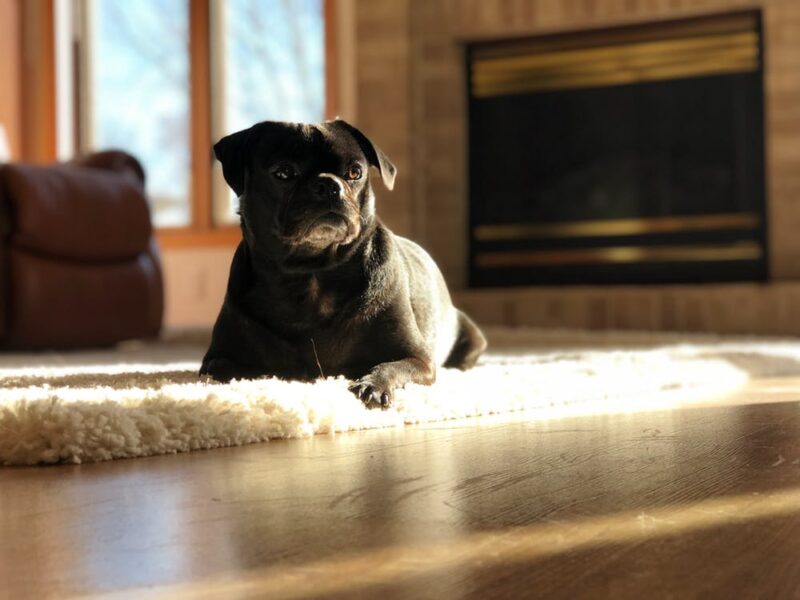
The foundation of any pet-friendly housing begins literally at the ground level. While plush carpets feel great underfoot, they act as magnets for dander and accidental messes. Instead, savvy decorators are turning toward hard surfacing that can withstand the ‘zoomies’ of high-energy dog breeds. For instance, while some may worry about the insurance implications of larger animals like American Pit Bull Terriers or Staffordshire Terriers, the physical reality of their presence in a home simply demands flooring that won’t succumb to claw marks.
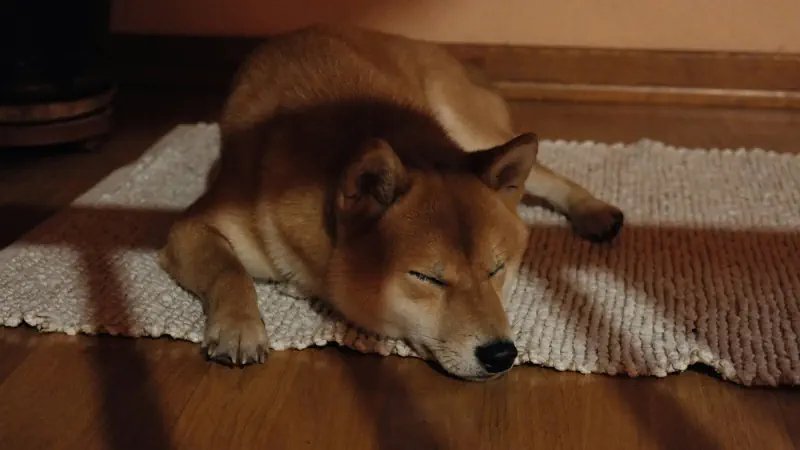
Hardwoods are beautiful but often too soft for heavy foot and paw traffic. A more robust alternative is a high-quality pet friendly tile. Ceramic and porcelain options are nearly impervious to moisture and scratches, providing a cool surface for animals to rest on during the summer months. To make this work visually, you can use large-format tiles with minimal grout lines, which reduces the areas where dirt can collect and makes deep cleaning a breeze. This choice ensures the home remains elegant while being tough enough to handle the daily antics of single family homes.
Safety and Security Beyond the Front Door
A truly holistic approach to a pet-centric home extends to the exterior and the legalities of ownership. Security is paramount, especially if you have a private pool or a hot tub where unsupervised access could lead to accidents. Ensuring that your fenced-in yards are secure and free of gaps is the first line of defense in keeping your companions safe.
Beyond the physical barriers, staying organized with veterinary records and proof of obedience classes is essential for responsible ownership. These documents are often required if you decide to travel and stay in vacation rentals, as many property managers want to see evidence of a well-behaved animal.
Furthermore, checking your local law regarding breed-specific legislation or leash requirements ensures you stay compliant and avoid unnecessary pet fees. It is also a wise move to look into dog bite insurance to protect your assets, providing peace of mind so you can focus on the joy of your animal’s company.
Creating Zones for Comfort and Training
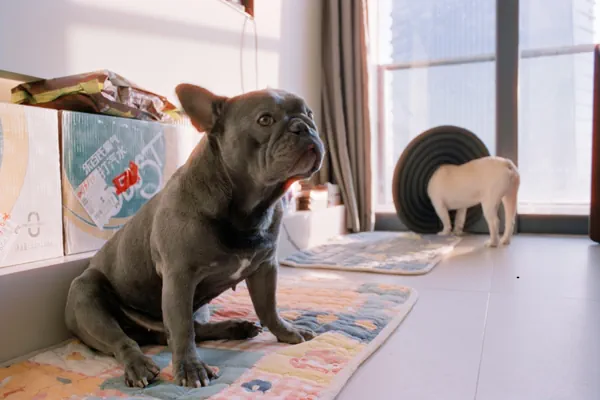
Internal architecture plays a huge role in how an animal navigates its home. Dedicated ‘mudrooms’ or entry stations allow you to clean paws before they hit the main living areas, preserving your rugs and upholstery. This is also a great place to store gear and keep a bowl of fresh water. When guests arrive, having a designated space helps animals feel secure and reduces overstimulation.
Training and communication are the ‘software’ that make the ‘hardware’ of your home design work. Utilizing positive voice control during daily interactions reinforces boundaries without the need for physical barriers like baby gates in every doorway. This level of discipline is particularly important for service animals, who must remain focused and calm regardless of the environment.
Even for the average family pet, clear expectations lead to a more harmonious household. If you are looking for more tips on how to integrate these habits into your lifestyle, be sure to sign up for local workshops or online communities dedicated to modern animal husbandry.
Balancing the Human Side of Decor
While we often focus on the animal’s needs, we must not forget the human side of the equation. A home should still reflect your personality and offer a place of relaxation. This means choosing textiles that are ‘performance grade’—fabrics that are treated to resist stains and odors while still feeling soft to the touch. You can have that beautiful white sofa; you just need to ensure the slipcover is machine washable and the weave is tight enough to prevent snagging.
Incorporate storage solutions that hide away toys and leashes when they aren’t in use. Custom cabinetry or stylish baskets can keep the clutter at bay, ensuring that your pet-friendly homes don’t look like a perpetual pet store aisle. By integrating these elements thoughtfully, you create a space that feels curated rather than compromised.
Conclusion
Ultimately, designing a home that welcomes animals is an act of love and practical foresight. It requires looking at your floor plan through the eyes of your pets while maintaining the standards of comfort you desire for yourself. From the durability of the flooring to the security of the backyard, every choice contributes to a stable and happy environment. By prioritizing resilience and safety, you ensure that your home remains a beautiful, functional haven for every member of the family, regardless of how many legs they walk on.